
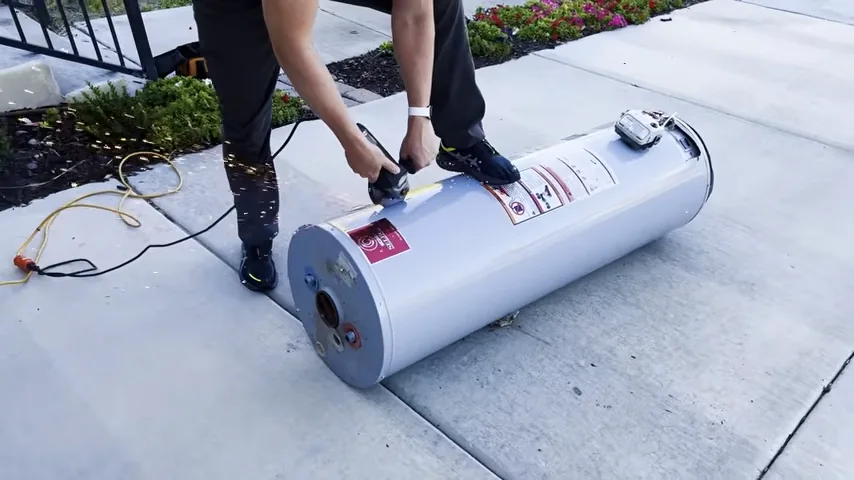
On this page
Anode Rod Replacement York PA: Anode condition, compatibility and access
A sacrificial anode rod helps protect the inside of a compatible storage water heater by corroding preferentially. Inspection determines how much material remains and whether replacement is suitable. Rod type, access, water chemistry, and the condition of the tank all influence the service plan.
For water heater anode rod replacement in York and our covered nearby communities, call (717) 658-7854. Tell us what changed and whether you need fault diagnosis or planned work.
Symptoms and details to mention when calling
The following observations help describe a need for anode service. They are a starting point for investigation rather than proof that a specific part has failed. Have any maintenance record available and tell us about low ceilings or an enclosure around the heater. If you have noticed odor, explain whether it occurs in hot water only. Avoid loosening fittings to look for the rod.
The anode is a consumable protective part, not a coating that seals an existing tank leak. Some appliances use different anode arrangements or powered systems. A replacement must be compatible with the water heater and should not be selected solely because it fits the opening.
- Anode service is overdue or undocumented
- Inspection reveals substantial material loss
- A water-quality change prompts maintenance review
What the assessment covers
The proposed scope takes account of the anode arrangement, remaining material, overhead clearance, and risk presented by a seized connection. The relevant tasks are listed below. Some belong in routine service, while others depend on the confirmed fault or installation condition. Ask which tasks are included in your estimate and which would require additional approval.
Hot-water odor can have several causes, including water chemistry and microbial activity. Anode changes sometimes form part of a solution, but odor alone does not establish which rod to install. Removing the rod permanently can sacrifice corrosion protection and may conflict with equipment instructions.
- Rod condition and compatibility check
- Access and overhead clearance assessment
- Suitable replacement installation
- Connection leak check after refill

Plan for access before selecting a rod
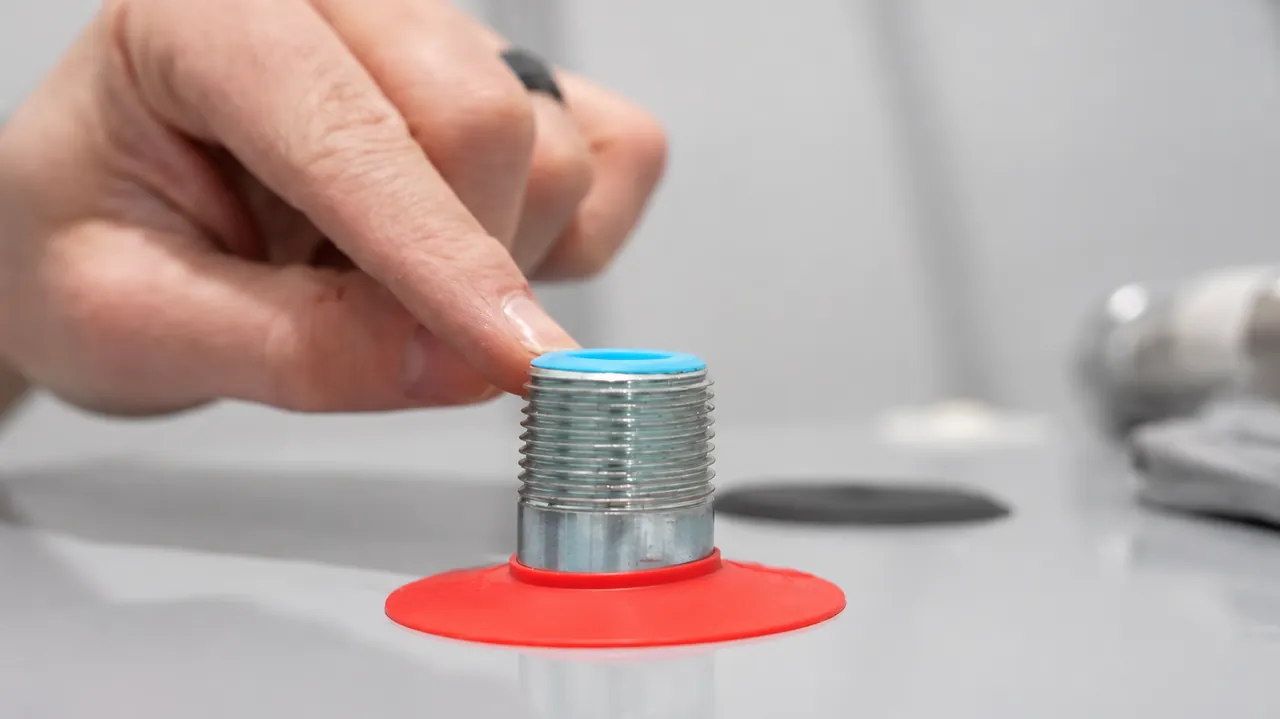
Some heaters have limited overhead space or an anode integrated with an outlet assembly. The suitable replacement may depend on those details as well as the tank specification. A heavily seized fitting can increase the risk and scope of work. Tell us whether the heater is in a low basement or enclosed closet, and whether anode service has ever been recorded. Do not force a tank fitting to inspect it yourself.
How do rod condition and access affect the decision?
The useful question is how much protective material remains and whether the tank is a suitable candidate for further maintenance. A fixed calendar interval cannot describe every water chemistry or appliance design. Maintenance records, water treatment changes, and inspection help determine whether another rod is needed and which arrangement is appropriate.
Access is sometimes the limiting factor. Overhead clearance, a combined outlet arrangement, and a seized connection can change the service method. A flexible replacement is not automatically suitable merely because it fits beneath the ceiling. The component must remain compatible with the heater and intended application. Access and removal risk should be explained before committing to a rod replacement.
New anode, different diagnosis, or new tank?
| Condition or goal | Potential approach | Tradeoff or limitation |
|---|---|---|
| Depleted compatible rod in a serviceable tank | Replace the protective component | Choose the correct arrangement and material |
| Odor without a confirmed cause | Assess water and appliance conditions | A rod change is not a universal odor treatment |
| Pressure vessel already leaking | Compare tank replacement | Corrosion protection cannot seal existing failure |
Questions to settle before the work is complete
For Anode Rod Replacement York PA, Keep a record of the rod arrangement installed and the condition found. Future maintenance is easier to discuss when the previous work is known rather than inferred from tank age alone. If a water-treatment system is added later, mention the change at the next inspection because water conditions can influence the maintenance discussion. A new rod does not reset the tank to new condition.
How the visit is planned
- Call with your address, the symptoms, and any active safety concern. Tell the owner or team whether water is escaping or hot water has stopped completely.
- Discuss availability and access. Share fuel type, equipment age if known, and any fault message without guessing at an internal diagnosis.
- Have the equipment and related connections assessed. Review the identified fault, practical options, and the proposed scope before authorizing work.
- After the agreed work, review operation, any remaining limitations, and appropriate maintenance. Ask which conditions should prompt another call.
What affects the service estimate?
For anode service, the main scope variables are the anode arrangement, remaining material, overhead clearance, and risk presented by a seized connection. A symptom-based telephone discussion helps preparation but is not equivalent to an inspection. The work should be priced around the actual arrangement, including any connected defect that must be corrected for the service to be useful.
Before agreeing to water heater anode rod replacement, clarify what diagnosis, parts, labor, connection work, and testing the estimate includes. Compare like-for-like scopes if you have another proposal. A lower figure that leaves the confirmed cause unresolved is not the same option as a repair addressing that cause. Your estimate should reflect the diagnosed fault and the work included.
Why contact York Water Heater Solutions?
Anode work is preventive maintenance for a suitable tank, not a universal cure for odor or leaks. We offer this service alongside flushing and diagnostic inspection, so the condition of the remaining equipment can be part of the discussion before a rod is changed. Related guidance: water heater flushing.
For water heater anode rod replacement, our coverage includes York Springs, Shiloh and the other areas in our service-area guide. Give us the physical property address and any access restrictions when you call. Postal codes can cross municipal boundaries, so the street address is more useful than a town name alone.
When the situation is urgent
Anode removal involves opening the tank and can require substantial force. Attempting it on hot, pressurized, or poorly supported equipment can create a leak or injury. Leave inspection to the planned service and do not remove a rod permanently as an improvised odor treatment.
For water heater anode rod replacement in york, pa, discuss the immediate condition with the owner or team at 717-658-7854. Emergency calls are accepted round-the-clock; confirm attendance availability when you call.
Frequently asked questions
Will a new anode stop an existing tank leak?
No. An anode provides corrosion protection in a suitable tank. It does not rebuild tank metal or seal a failed pressure vessel.
What should I have ready for the call?
Have the service address, contact number, fuel type if known, and a description of what changed. A safe-to-obtain equipment label photo can help identify the model. Do not remove panels, touch wiring, or attempt gas adjustments to gather information.
How do I arrange Anode Rod Replacement York PA?
Call (717) 658-7854 with the physical service address, equipment type and what changed. The team can discuss the appropriate next step, access and visit availability. If you smell gas or a carbon monoxide alarm sounds, leave the building and contact emergency services from a safe location first.
To discuss Anode Rod Replacement York PA, call (717) 658-7854. Describe the symptoms and service address so our team can explain the next step and current visit availability.