
On this page
Emergency Water Heater Call: Put immediate safety before gathering details
A gas smell or carbon monoxide alarm requires evacuation and emergency assistance from outside. Standing water near electrical equipment is another reason to keep clear. Do not stay in a hazardous space collecting a model number. You do not need a complete checklist to ask for help.
For a non-hazardous call, begin with the active problem: water spreading, no hot water, overheating, or an ignition fault. Then give your address, ZIP code, and callback number. Describing the visible problem is more useful than guessing the part that failed.
Details that help us understand the situation
Tell us when the issue started, whether all fixtures are affected, whether a leak is dripping or flowing, and whether the heater is gas, electric, tankless, or a heat-pump unit if known. Mention any action already taken, including a shutoff or reset. Do not repeat it just to reproduce the fault.
A clear photo of the accessible equipment label, leak area, or exterior display can help if requested and safely obtainable. Never remove a cover or stand in water for a better image. Unknown information can be gathered later during inspection.

Questions worth asking during the call
Ask about current availability, the next step, how the visit will be arranged, and how diagnostic or emergency charges are explained. If you rent the property, tell us whether the owner or manager needs to authorize work. Mention access limitations, pets, or a locked utility area.
Our leak repair information and installation guidance can help with later decisions. They are not a reason to delay an urgent call while researching every possibility.
Prepare access without delaying the call
If the area is safe, identify how the technician can reach the utility space and whether parking or a locked entrance needs discussion. Keep children and pets away from the affected area. Do not move the heater, disconnect a vent, or drag stored items through standing water to make the space look ready.
A service conversation should leave you clear about who is coming, how the visit is arranged, and what information remains to be confirmed. Record the agreed next step and ask how to update the team if flooding or another symptom changes. If a new gas smell or safety alarm develops, emergency response takes priority over waiting for the original repair plan.
Describe consequences as well as symptoms
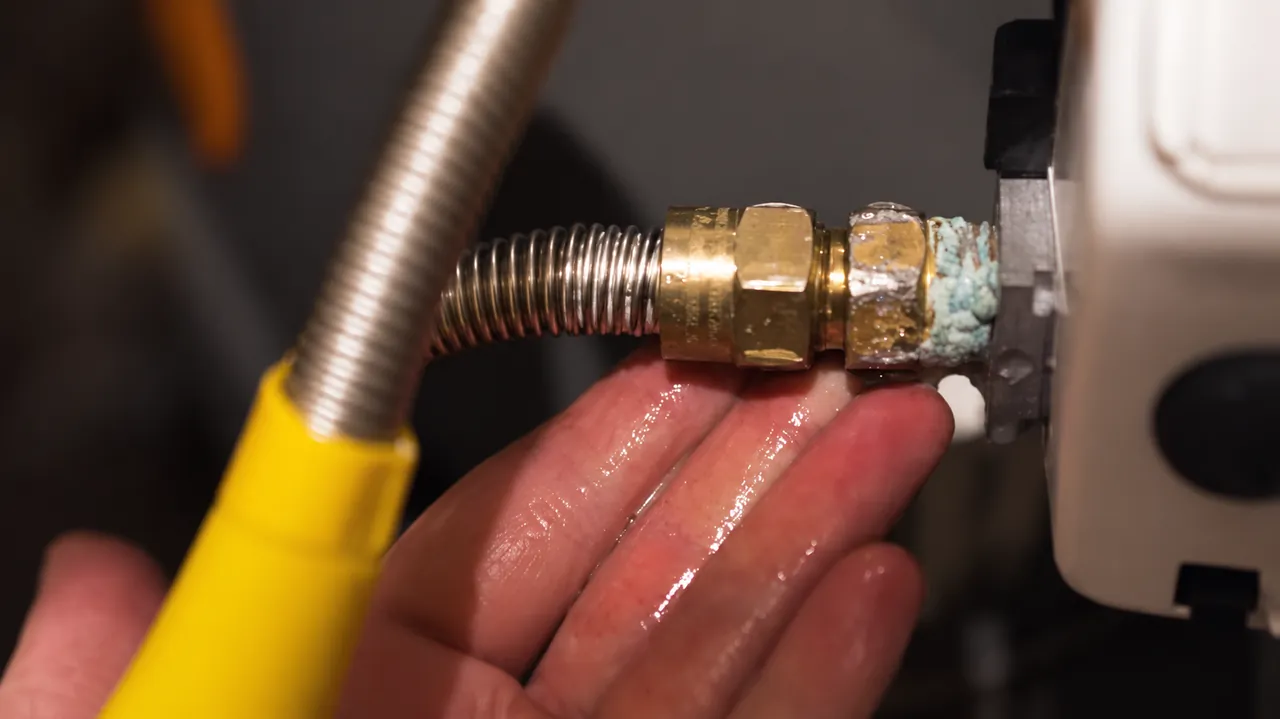
An active leak beside electrical equipment, water spreading into occupied rooms, or a loss of hot water affecting a vulnerable occupant changes the service conversation. Say these things early. The heater model can wait until the immediate consequences are understood and everyone is in a safe location.
You can explain uncertainty plainly: water is collecting under the heater but the source is unknown. That is more useful than confidently naming the wrong valve. If the situation changes during the conversation, interrupt to report it. Gathering information should support the response rather than delay action while the hazard develops.
| Observed situation | Useful investigation | Limitation |
|---|---|---|
| Gas smell or CO alarm | Leave and contact emergency responders | Do not stay to gather labels or photographs. |
| Active leak near electricity | Keep clear and explain the hazard | Do not enter the water to reach controls. |
| No hot water without safety signs | Describe extent and timing | Do not perform internal repairs while waiting. |
Agree what happens next before ending the call
Confirm the callback number, location, access arrangement, and current service plan. Ask how fees and authorization will be handled and who can approve work if you are calling on behalf of someone else. A clear initial arrangement reduces confusion when a technician needs to discuss findings or further work.
If a photo or equipment detail is requested, explain if it cannot be obtained safely. The call can proceed with unknown information. Keep the phone available and use the agreed contact route for updates. Immediate gas, carbon monoxide, or other emergency conditions must still go to emergency responders rather than waiting for a routine repair callback.
What round-the-clock service means for your call
York Water Heater Solutions offers round-the-clock emergency service, with the owner or team answering calls. The actual response plan, availability, and timing are confirmed during the conversation. Tell us your symptoms so we can discuss scheduling; the repair scope depends on an assessment.
Call 717-658-7854 for emergency water heater service in York, PA. Give the most urgent fact first. If the line is interrupted, your callback number and accurate address are the details that allow the conversation to continue.
| Information | Why it helps |
|---|---|
| Observed symptom | Defines what needs investigation rather than guessing a part. |
| Timing and affected fixtures | Separates isolated problems from system-wide changes. |
| Previous work or maintenance | Provides context for testing and suitable next steps. |
Frequently asked questions
Should I wait until I know the heater model?
No. Call with the urgent symptom and address first. Equipment details help only when safely available. Do not delay assistance or enter a wet, hot, or otherwise hazardous utility space to locate a label or take a photo.
What should I ask about response time?
Ask about current availability and the expected next step for your location and symptoms. York Water Heater Solutions offers round-the-clock emergency service, but a fixed arrival time is not promised on this website. Confirm timing and visit arrangements during the call.
How do I contact York Water Heater Solutions?
Call 717-658-7854. The owner or team answers round-the-clock emergency service inquiries. Give your York-area address or ZIP code, the main symptom, and a callback number. If you suspect a gas leak or a carbon monoxide emergency, evacuate and contact emergency responders first.
What information helps during an emergency water heater call?
Call (717) 658-7854 with the physical service address, equipment type and what changed. The team can discuss the appropriate next step, access and visit availability. If you smell gas or a carbon monoxide alarm sounds, leave the building and contact emergency services from a safe location first.
Further information
For additional background, consult the resources below and the manual for your exact model. These resources do not replace an assessment of your installation.
To discuss Emergency Water Heater Call, call (717) 658-7854. Describe the symptoms and service address so our team can explain the next step and current visit availability.